How to Choose the Right Second-Hand Truck for Your Business
Choosing the right second-hand truck is an important investment decision for South African business owners, transport operators and fleet managers. Whether you need a vehicle for deliveries, construction, agriculture or general freight, the truck you buy should match your workload, carrying requirements and operating budget.
A lower purchase price may seem attractive, but buying the wrong commercial vehicle can result in unexpected repairs, excessive running costs, unnecessary downtime and reduced productivity.
The best approach is to look beyond appearance, mileage and price. Consider the truck's intended use, current mechanical condition, documentation, payload capacity and long-term operating costs before making a decision.
This guide explains how to choose a suitable second-hand commercial truck, what to inspect before purchasing and how to reduce the risk of buying a vehicle that does not meet your business needs.
How Do You Choose the Right Second-Hand Truck for Your Business?
Quick Answer
Choosing the right second-hand truck starts with understanding your workload, payload requirements, delivery routes and budget. Select a vehicle with the correct carrying capacity and body configuration, arrange a current inspection by a qualified mechanic, verify its documentation and calculate the full operating costs. Previous maintenance information is useful, but the truck's present mechanical condition is essential.
1. Start with Your Business Requirements
The first step in choosing a second-hand truck is understanding exactly what the vehicle needs to do.
A commercial truck that works well for one business may be unsuitable for another. A construction contractor transporting building materials has different requirements from a company completing daily urban deliveries or transporting goods over long distances.
Before looking at available vehicles, identify the type of cargo, operating environment and transport capacity your business requires.
What Type of Work Will Your Truck Be Doing?
Consider the goods or materials you intend to transport and how frequently the vehicle will be used.
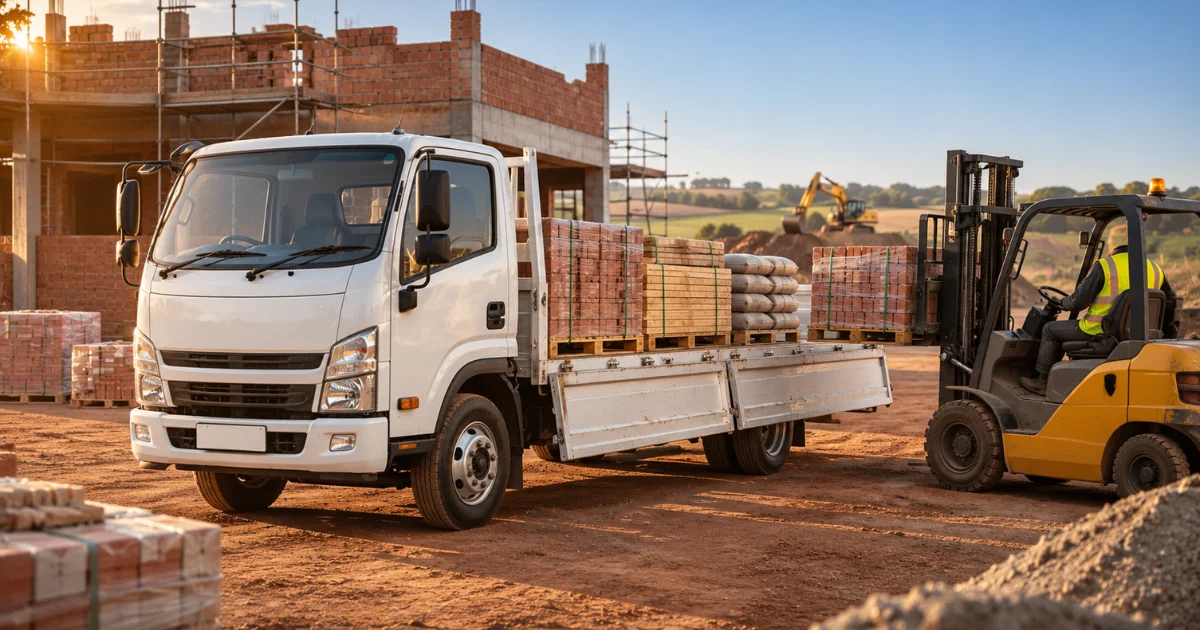
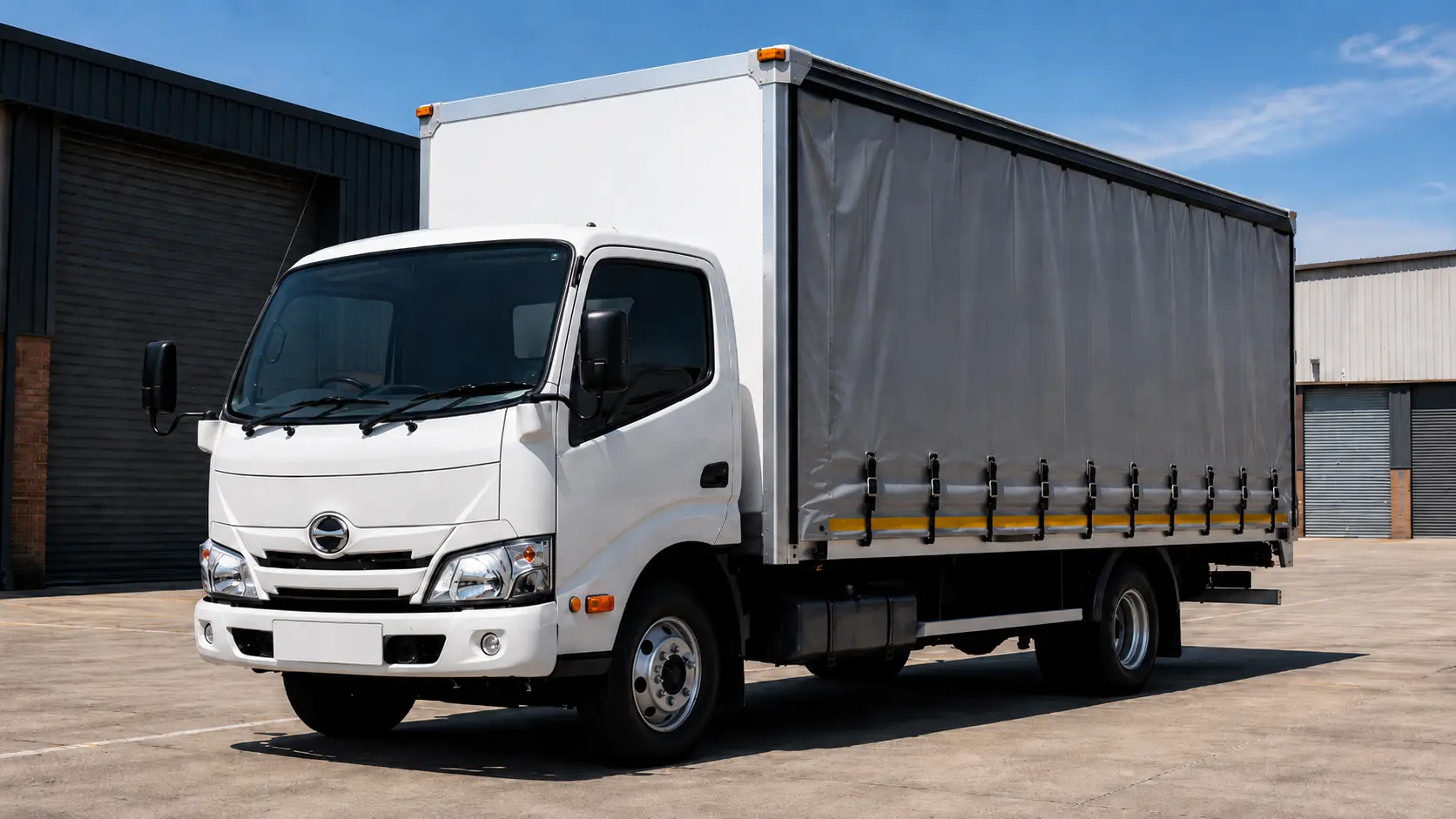
A business delivering packaged goods may require an enclosed body, while a construction company transporting building supplies may benefit from a dropside or tipper truck.
For heavier transport operations, a truck tractor and suitable trailer configuration may be necessary.
Think about where the truck will operate. Vehicles used mainly on highways have different requirements from those travelling on gravel roads, construction sites or congested urban routes.
Why Is Payload Capacity Important When Buying a Truck?
Payload capacity determines how much cargo a truck can legally carry.
Buying a vehicle with insufficient carrying capacity may lead to overloading, excessive mechanical wear and compliance problems.
However, choosing a truck that is unnecessarily large can also increase fuel consumption, tyre expenses, maintenance costs and other operating expenses.
Before purchasing, confirm the vehicle's gross vehicle mass, permitted payload, axle limits and load body configuration.
The right commercial truck should handle your normal workload safely and legally without operating beyond its limits.
Should You Choose a Small or Large Commercial Truck?
The correct truck size depends on your operational requirements rather than the size of your budget alone.
Smaller trucks may be practical for local deliveries, lighter loads and routes involving restricted loading areas.
Larger commercial vehicles may be necessary for heavier freight, construction materials or long-distance transport.
Consider the average kilometres travelled, expected load weights, route conditions and available loading equipment.
Choosing a suitable truck from the beginning can help avoid unnecessary expenses and improve operating efficiency.
2. Arrange a Professional Mechanical Inspection
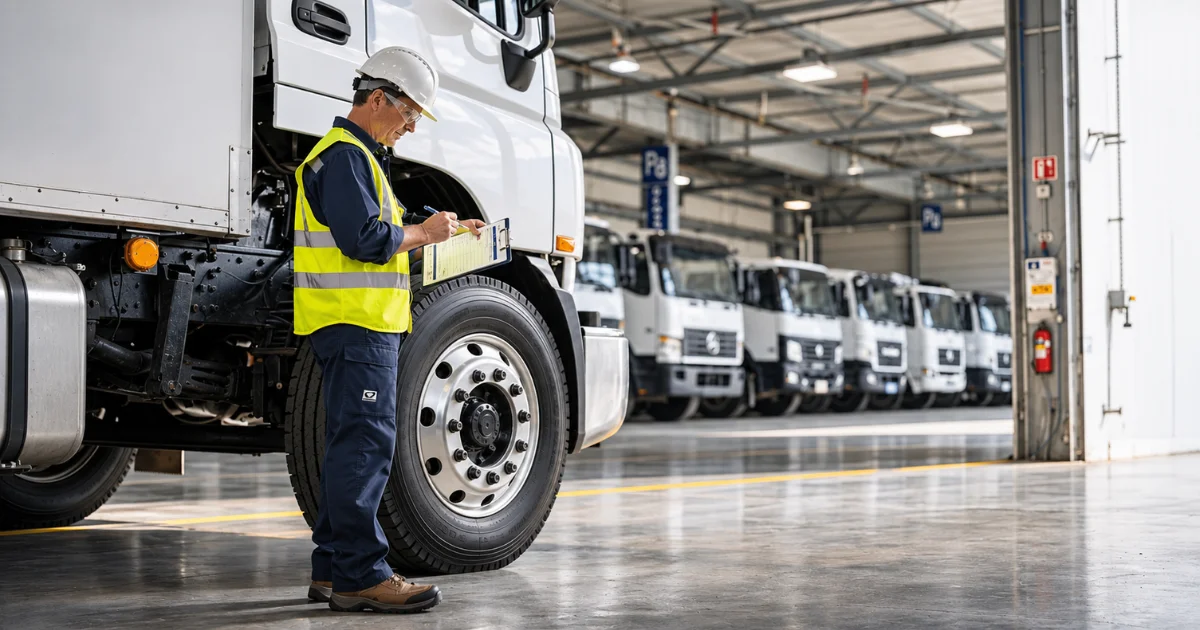
A thorough mechanical inspection is one of the most important steps when buying a second-hand commercial truck.
A clean exterior, polished cab or freshly painted chassis does not necessarily indicate that the vehicle is mechanically sound.
Commercial trucks experience significant wear during daily operations, particularly when transporting heavy loads or working under demanding conditions.
A qualified mechanic can help identify existing problems and potential repair requirements before you make a purchasing decision.
What Should a Mechanic Inspect on a Used Truck?
A professional inspection should cover the main mechanical, structural and safety components.
Important areas include:
- Engine condition, oil leaks and coolant leaks
- Gearbox and clutch operation
- Braking system and air pressure performance
- Steering and suspension components
- Tyres, tread condition and age
- Chassis structure and visible repairs
- Electrical systems and warning indicators
- Drivetrain, differential and related components
- Load body, hydraulics and lifting equipment where applicable
The inspection should also consider the vehicle's overall condition and suitability for its intended work.
Any unusual noises, leaks, warning lights or structural damage should be investigated before purchasing.
Why Should You Inspect a Truck When the Engine Is Cold?
A cold engine start may reveal mechanical problems that become less noticeable once the engine reaches its normal operating temperature.
Where practical, arrange to inspect the truck before it has been started for the day.
Pay attention to whether the engine starts normally, maintains a consistent idle and produces unusual noises or excessive exhaust smoke.
Persistent knocking, rattling, overheating or unexpected warning indicators may require further investigation.
However, a normal engine start does not guarantee that all internal components are in good condition.
What Should You Check on the Chassis and Load Body?
The chassis provides structural support for the commercial vehicle and should be inspected for cracks, excessive corrosion, distortion and unsuitable repairs.
Not every welded area indicates a serious problem, but unusual repairs around high-stress sections should be assessed by a qualified professional.
The load body should also be checked.
For example, dropside trucks require inspection of side panels, hinges and locking mechanisms, while tippers require additional checks of hydraulic components and lifting equipment.
The type of inspection should match the vehicle's configuration and intended use.
Is a Test Drive Necessary Before Buying a Used Truck?
A test drive is an important part of evaluating a second-hand commercial vehicle.
Where an authorised and safe test drive is available, assess how the truck accelerates, changes gears, brakes and handles under realistic driving conditions.
Listen for unusual noises and pay attention to steering response, vibration, engine temperature and warning indicators.
A test drive may reveal problems that are difficult to identify while the vehicle is stationary.
However, it should support a qualified mechanical inspection rather than replace it.
3. Understand the Truck's Previous Maintenance and Operating History
Previous maintenance information can help buyers understand how a second-hand truck was operated and maintained.
However, complete external service records are not always available, particularly for commercial vehicles previously owned by large transport companies or fleet operators.
Many established fleets employ their own mechanics and maintain vehicles in internal workshops.
As a result, maintenance may have been completed without conventional dealership service stamps or external workshop invoices.
Can a Used Truck Be Well Maintained Without a Full Service History?
Yes. A second-hand commercial truck can be properly maintained even when complete external service records are unavailable.
This is particularly relevant to ex-fleet vehicles serviced by their previous operator's internal workshop.
Missing external records should not automatically be interpreted as evidence of poor maintenance.
Instead, buyers should focus on the truck's current mechanical condition, visible wear, operating history and any available maintenance information.
A qualified mechanical inspection provides a more useful assessment of the vehicle's present condition.
What Maintenance Information Should You Request?
Where available, ask about previous servicing, major repairs, component replacements and operating history.
Useful information may include dates of maintenance, recorded kilometre readings, engine or gearbox repairs, brake replacements, suspension work and tyre changes.
You can also ask whether the vehicle was previously used for local deliveries, long-distance transport, construction work or other commercial applications.
These details may help explain the type of wear the truck has experienced.
However, the absence of a particular record does not automatically determine whether the vehicle is suitable for purchase.
Is Mileage More Important Than Mechanical Condition?
No. Mileage is useful information, but it should not be the deciding factor when buying a second-hand truck.
A lower-mileage vehicle may have experienced frequent short trips, extended idling, heavy loading or difficult operating conditions.
A higher-mileage truck may have travelled mainly on highways under different operating conditions.
Both vehicles should be assessed individually.
The most important consideration is whether the truck's current mechanical condition, specifications and expected running costs make it suitable for your business.
4. Calculate the Total Cost of Owning a Second-Hand Truck
The purchase price is only one part of the financial commitment involved in buying a commercial truck.
A vehicle advertised at an attractive price may require immediate mechanical repairs, replacement tyres or other maintenance.
These expenses can increase the amount needed to put the vehicle into reliable operation.
Before purchasing, calculate the likely ownership and operating expenses rather than focusing only on the advertised selling price.
What Costs Should You Budget for When Buying a Used Truck?
Your budget should consider the purchase price, applicable taxes and administrative charges, registration, licensing, insurance and any initial maintenance requirements.
You should also allow for:
- Fuel and toll expenses
- Tyres and replacement parts
- Routine servicing and repairs
- Driver wages where applicable
- Tracking and security
- Body modifications or additional equipment
- Unexpected breakdowns and downtime
If purchasing through an external finance provider, include the applicable repayment and finance costs.
Businesses should retain sufficient working capital to cover early repairs and daily operating expenses.
Why Does Parts Availability Matter in South Africa?
Parts availability can significantly affect the operating costs and downtime of a second-hand commercial truck.
A vehicle may appear affordable when purchased, but difficult-to-source components can cause delays when repairs are required.
Before buying, investigate whether replacement parts are reasonably available in South Africa and whether qualified technicians can maintain the vehicle.
This is particularly important for businesses that depend on their trucks to complete deliveries or fulfil transport contracts.
Long periods of downtime may cost more than the replacement part itself.
How Do You Compare the Running Costs of Two Used Trucks?
Start by comparing expected fuel consumption, tyre costs, servicing requirements, insurance and maintenance expenses.
Consider the routes each vehicle will travel, the loads it will carry and how many kilometres it is expected to complete.
Fuel consumption should not be assessed in isolation because driving conditions, vehicle configuration, mechanical condition and load weight all influence operating efficiency.
A lower purchase price does not always produce the lowest long-term operating cost.
The better investment is the truck that meets your operational requirements while remaining financially sustainable.
5. Check the Legal Documentation Before Buying
Correct documentation is essential when buying a second-hand commercial truck in South Africa.
Even a mechanically suitable vehicle can create significant problems if ownership details, identification numbers or registration documents are incorrect.
Before paying a deposit or signing a purchasing agreement, confirm that the seller is authorised to sell the vehicle and that its documentation matches the truck.
What Documents Should You Check Before Buying a Used Truck?
Check the vehicle's registration certificate and confirm that its vehicle identification number (VIN) and engine number match the relevant documents.
You should also establish whether there are any outstanding finance obligations, ownership restrictions or unpaid licensing fees that could affect the transaction.
The written sales agreement should clearly identify the vehicle, buyer, seller, selling price and agreed terms.
Any included equipment, promised repairs or warranty arrangements should be recorded accurately where applicable.
Do not assume that a warranty or additional after-sales service is included unless the seller confirms this in writing.
How Do You Transfer Ownership of a Used Truck in South Africa?
When ownership changes, the appropriate vehicle registration and change-of-ownership procedures must be followed.
The seller and buyer have different responsibilities, including the submission of the required documents and registration details.
For an official explanation, refer to the South African Government's guide to changing vehicle ownership.
Before completing a purchase, confirm the current requirements with the relevant registering authority.
6. Ask the Right Questions Before Purchasing
Asking detailed questions helps buyers understand the vehicle's history, condition and suitability.
Rather than accepting a general statement that a truck is in good condition, request specific information about its previous use and current mechanical performance.
What Questions Should You Ask a Used Truck Seller?
Important questions include:
- Why is the truck being sold?
- What type of work was it previously used for?
- Has it experienced any major mechanical failures?
- Are there any known engine, gearbox or electrical problems?
- Has the truck been involved in an accident?
- What repairs or major component replacements have been completed?
- Is there any outstanding finance or ownership restriction?
- Can a qualified mechanic inspect the vehicle?
- Is an authorised test drive possible?
- What equipment or accessories are included in the purchase?
These questions help buyers identify matters requiring further investigation before making a financial commitment.
Is It Better to Buy a Used Truck from a Dealer or Private Seller?
Both dealerships and private sellers may offer suitable second-hand commercial vehicles.
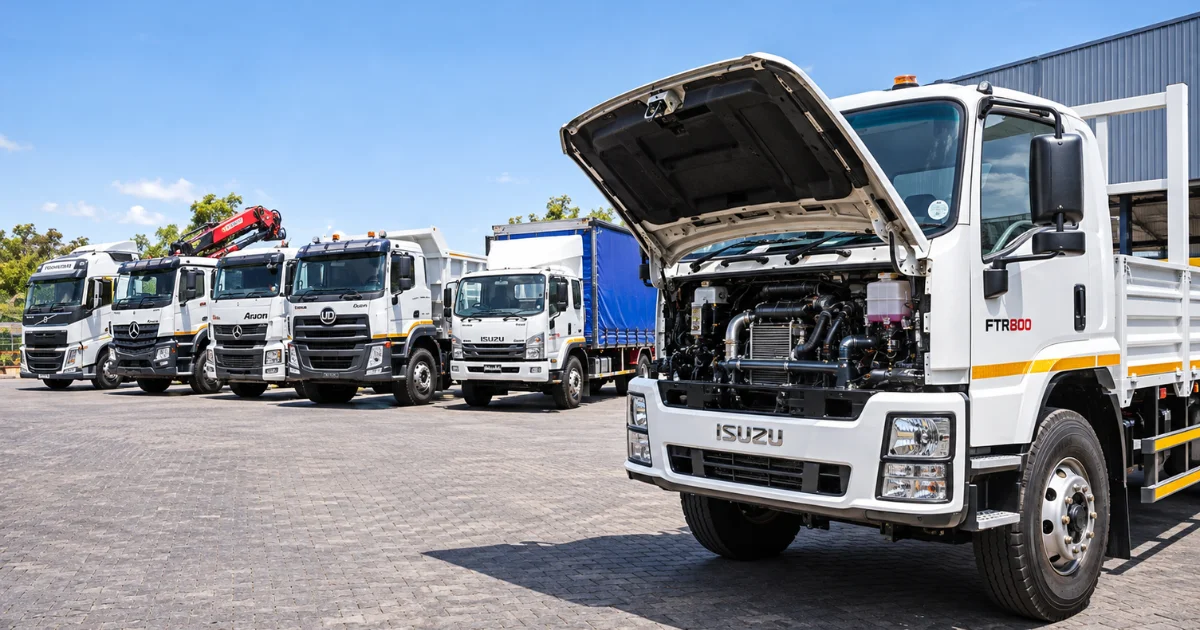
A specialist commercial vehicle dealership can provide an opportunity to compare different types of trucks and discuss available specifications.
Private sellers may also offer suitable vehicles, but buyers should carefully verify ownership, documentation and mechanical condition.
Regardless of where a truck is purchased, an independent mechanical inspection remains important.
The seller's reputation should not replace proper checks of the vehicle itself.
7. How Do You Know If a Second-Hand Truck Is Worth Buying?
A suitable second-hand truck should meet your operating requirements, carry the necessary loads legally and provide reasonable running costs for your business.
The decision should not be based on age, mileage, appearance or purchase price alone.
Consider whether the vehicle can perform the required work and whether its mechanical condition justifies the investment.
What Are the Biggest Warning Signs When Buying a Used Truck?
Warning signs may include excessive engine smoke, serious fluid leaks, unusual mechanical noises, braking problems, structural damage or inconsistent vehicle identification information.
Poorly completed chassis repairs and repeated warning indicators should also be investigated.
However, not every visible imperfection means the truck is unsuitable.
Commercial vehicles often show normal wear from daily operation.
The important distinction is whether any identified problems affect safety, reliability, carrying capacity or expected maintenance costs.
A qualified mechanic can help establish the significance of these findings.
Should You Buy the Cheapest Second-Hand Truck Available?
Not necessarily. The cheapest truck may require repairs or operating expenses that make it more costly over time.
A slightly more expensive vehicle could represent better value if its present condition and specifications are more suitable for your business.
Compare the total expected costs of each option, including immediate repairs, maintenance, fuel and potential downtime.
Your decision should focus on the overall value of the vehicle rather than the advertised price alone.
How Truckways Can Help You Find the Right Used Commercial Truck
Truckways is a used commercial vehicle dealership based in Pretoria West, South Africa.
The business offers a selection of second-hand commercial vehicles, including lower-mileage and ex-fleet trucks, depending on current stock.
For transport operators, contractors and other businesses, Truckways provides an opportunity to explore vehicles suited to different applications, including general deliveries, construction and commercial freight.
Buyers should compare the truck's specifications, payload capacity, mileage, current condition and operating requirements before purchasing.
Many ex-fleet vehicles have been maintained internally by their previous operators, which means complete external service histories may not always be available.
Truckways encourages buyers to arrange a qualified mechanical inspection and assess the vehicle's present condition before making a purchasing decision.
For additional information about buying used commercial vehicles, including viewing and vehicle condition questions, visit the Truckways frequently asked questions page.
You can also browse the Truckways used truck inventory to explore available commercial vehicles and compare specifications, mileage, body types and carrying capacities.
What Should You Remember Before Buying a Second-Hand Truck?
Choosing the right second-hand truck requires careful consideration of your business requirements, operating budget and the vehicle's actual condition.
Start by identifying the type of transport work the truck will perform and the carrying capacity it requires.
Arrange a qualified mechanical inspection, verify the registration and ownership documents and compare the full cost of operating the vehicle.
Previous maintenance information can be helpful, but a current mechanical assessment is particularly important for ex-fleet trucks that may have been serviced internally.
When the right vehicle is selected for the right application, a second-hand truck can support the practical transport needs of a growing South African business.
Truckways offers used commercial vehicles that buyers can assess according to their individual business requirements and available stock.
Frequently Asked Questions
What should I check before buying a second-hand truck?
Before buying a second-hand truck, check its engine, gearbox, brakes, suspension, tyres, chassis and load body. Confirm that the vehicle's identification numbers match its registration documents and that its payload suits your intended work. A qualified mechanical inspection is essential for understanding the truck's current condition and identifying potential repair costs.
Can a second-hand truck be reliable without a full service history?
Yes. Many commercial fleet operators maintain their vehicles through internal workshops, so complete external service histories may not be available. Missing records do not automatically mean the truck has been neglected. Buyers should consider any available maintenance information, inspect the vehicle's visible condition and arrange a thorough mechanical assessment by a qualified mechanic before purchasing.
Is high mileage a problem when buying a used commercial truck?
High mileage does not automatically make a commercial truck unsuitable for purchase. Its current mechanical condition, previous operating environment and maintenance requirements are more important considerations. A vehicle used primarily on highways may have experienced different wear from one operating on construction sites. Every truck should be inspected individually before a purchasing decision is made.
What documents do I need when buying a used truck in South Africa?
You should check the vehicle registration certificate, confirm the VIN and engine number, and establish that the seller is authorised to complete the transaction. The sale agreement should record the vehicle details, purchase price and agreed conditions. Buyers should also confirm any outstanding finance, licensing requirements and applicable ownership transfer procedures before making payment.
Where can I find a suitable second-hand truck for my business?
Second-hand commercial trucks can be purchased through specialist dealerships, private sellers, online marketplaces and fleet disposals. Truckways is based in Pretoria West and offers used commercial vehicles for different business applications, including lower-mileage and ex-fleet options depending on stock. Buyers should compare vehicle specifications and arrange a qualified mechanical inspection before purchasing.