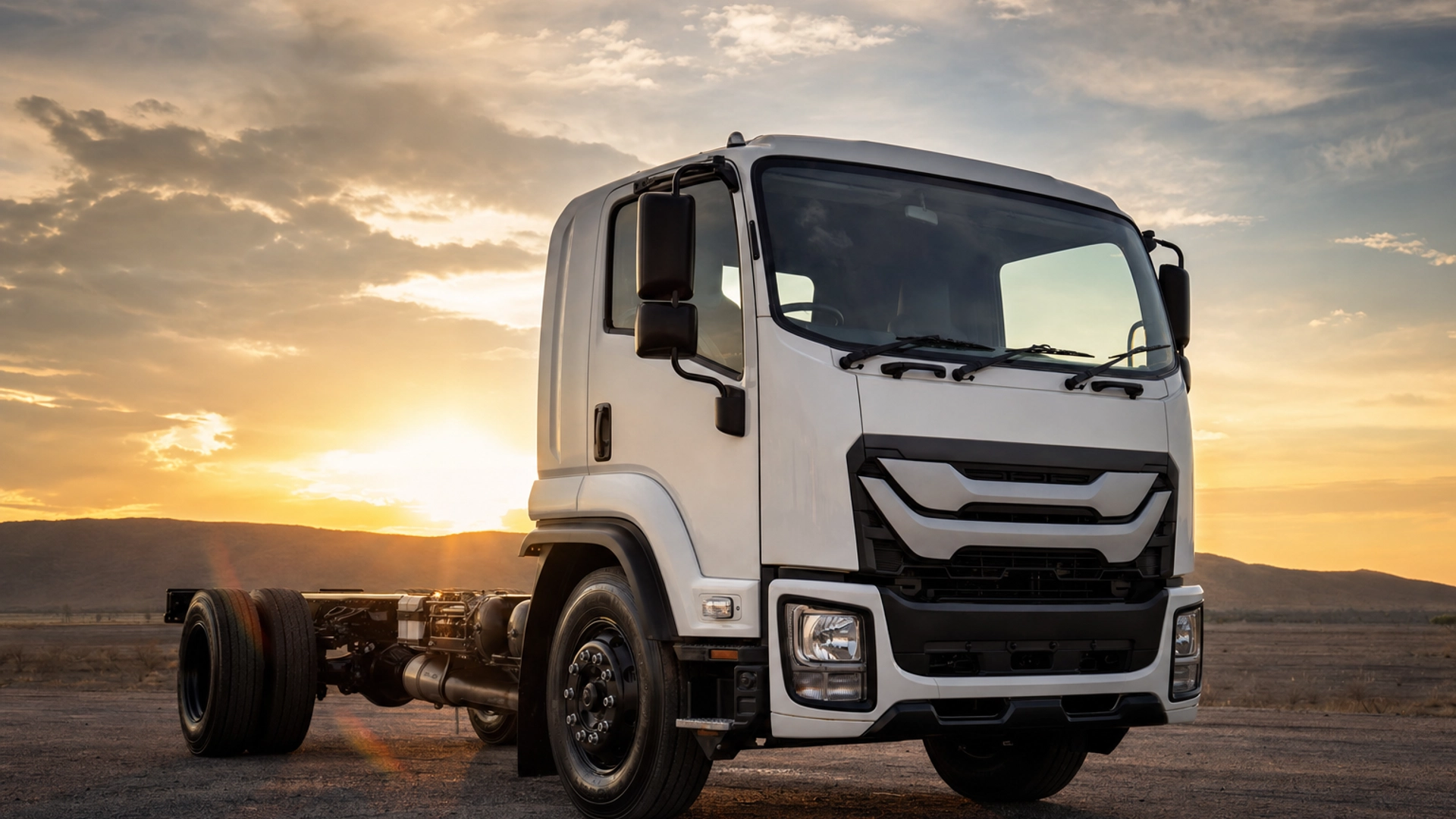
Which Truck Is Best for Local Deliveries in South Africa?
Choosing the best truck for local deliveries in South Africa depends on what you transport, how far you travel, where you deliver and how much weight your vehicle needs to carry. A truck that works well for parcel deliveries may not be suitable for furniture, pallets, building materials or refrigerated goods.
For most South African businesses, the right delivery truck is the one that balances payload, running costs, reliability, driver licence requirements, loading access and route conditions. The goal is not only to buy a truck that can carry the load, but one that can complete deliveries efficiently and keep earning.
Quick answer:
The best truck for local deliveries in South Africa depends on your load, route, body type and operating costs. Light parcels may need a smaller enclosed vehicle, while furniture, pallets and bulky goods may need a medium or larger truck with the correct body type.
Why Choosing the Best Truck for Local Deliveries in South Africa Matters
Local deliveries can be demanding. Drivers often deal with traffic, tight parking, shopping centre loading bays, narrow streets, mixed road surfaces and repeated stop-start driving.
If the truck is too small, it may need more trips and could be overloaded. If it is too large, it may be difficult to park, expensive to run and unsuitable for certain delivery points.
The best truck for local deliveries in South Africa should match your route, load type and business model. It should help you deliver faster, reduce downtime and keep operating costs under control.
Start With the Type of Goods You Deliver
Before choosing a truck, look at what you deliver most often. Different loads need different vehicle types and body configurations. For parcels and e-commerce deliveries, a secure enclosed vehicle is often useful because it protects goods from weather and theft. For furniture, appliances and palletised goods, a curtain-side or dropside body may be more practical. For perishable goods, a refrigerated body is usually required.
- Parcels and e-commerce: enclosed delivery vehicle
- Mixed retail deliveries: medium enclosed truck
- Furniture and appliances: curtain-side or dropside body
- Building materials: dropside body
- Perishable goods: refrigerated body
- Bulky commercial loads: larger truck with practical loading access
Match the Truck Size to Your Payload
Payload is one of the most important factors when choosing a delivery truck. You need to know your average load per delivery route and your maximum load on busy days.
A useful rule is to choose a truck that normally runs at about 60% to 80% of its payload capacity. This helps avoid overloading while still using the vehicle efficiently.
- Light loads: smaller delivery vehicle
- General local deliveries: medium delivery truck
- Heavy or bulky loads: larger delivery truck
- Regular pallet loads: truck with suitable loading access
- Growing business routes: allow space for future capacity
- Daily operations: avoid consistently overloading the vehicle
Choose the Right Body Type
The body type can make a big difference to delivery speed, safety and customer service.
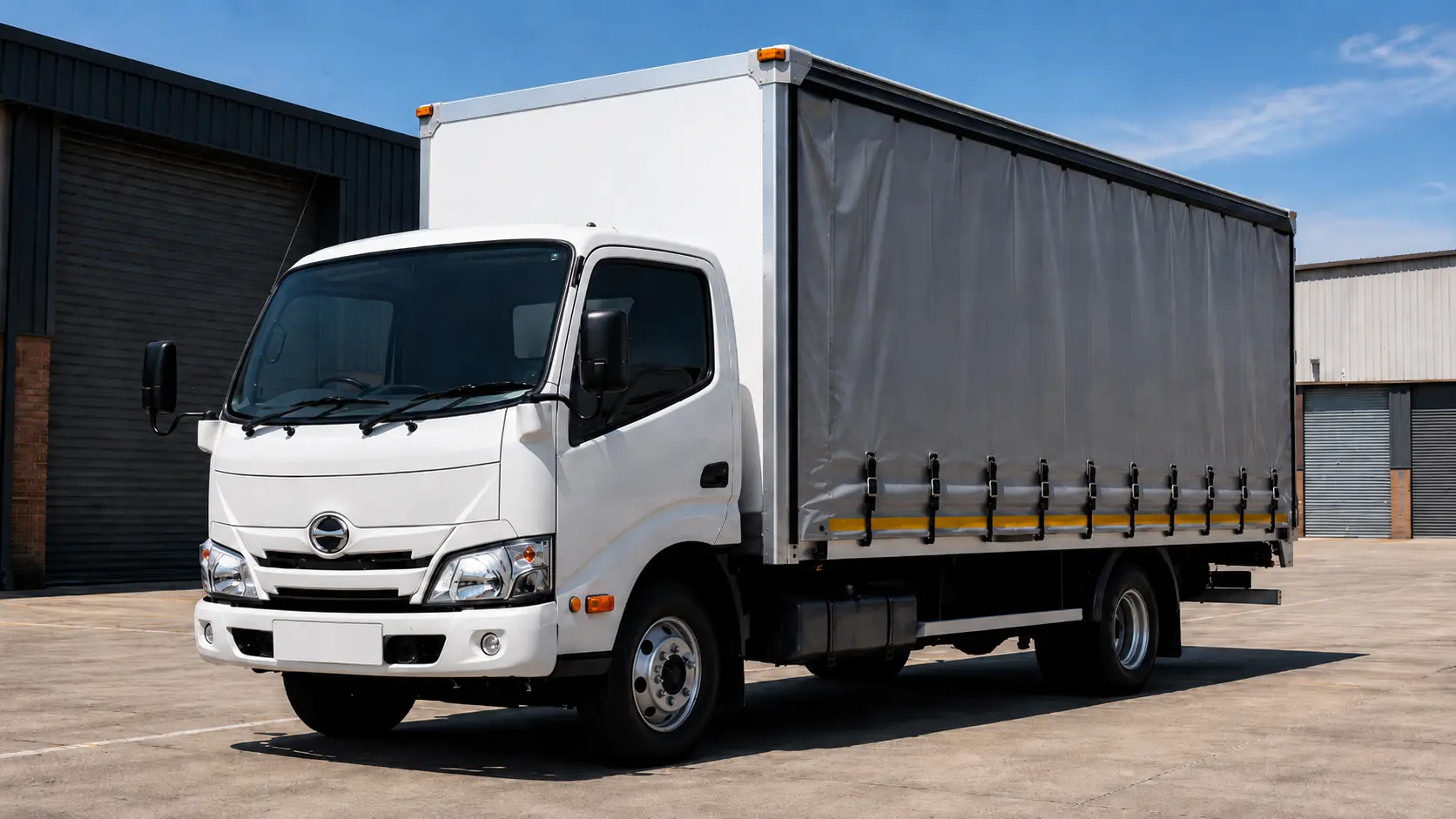
A box body is useful for general deliveries because it keeps goods enclosed, secure and protected from weather. A curtain-side body is useful when goods need to be loaded or unloaded from the side. A dropside body works well for building materials, equipment and large awkward items. A refrigerated body is needed when goods must remain chilled or frozen during transport.
- Box body: secure general deliveries
- Curtain-side body: easier side loading
- Dropside body: awkward or heavy items
- Refrigerated body: chilled or frozen goods
- Tail-lift: useful for heavier loading
- Tie-down points: safer load control
Think About Real South African Road Conditions
The best delivery truck on paper is not always the best truck on the road. South African delivery routes can include CBD traffic, township roads, industrial areas, shopping centres, gravel sections and narrow residential streets.
For inner-city deliveries, a shorter wheelbase or smaller enclosed vehicle may be easier to park and turn. For township and mixed-surface routes, ground clearance and stronger suspension may be more important than comfort features.
Practical tip:
Before buying, think about where the truck will actually drive every day, not only what it can carry.
Check Driver Licence and Compliance Requirements
Before buying a truck, make sure your driver has the correct licence for the vehicle class. South African Government guidance explains that a Code C1 licence applies to certain goods vehicles with a gross vehicle mass between 3 500 kg and 16 000 kg.
This matters because many local delivery trucks require more than a standard light vehicle licence. Depending on the vehicle and how it is used, you may also need to consider operator requirements, load securement, daily checks and driver training.
- Confirm the correct driver licence code
- Check operator requirements where applicable
- Train drivers on daily checks
- Secure loads correctly
- Check insurance and tracking requirements
- Keep compliance documents updated
Compare Running Costs Before You Buy
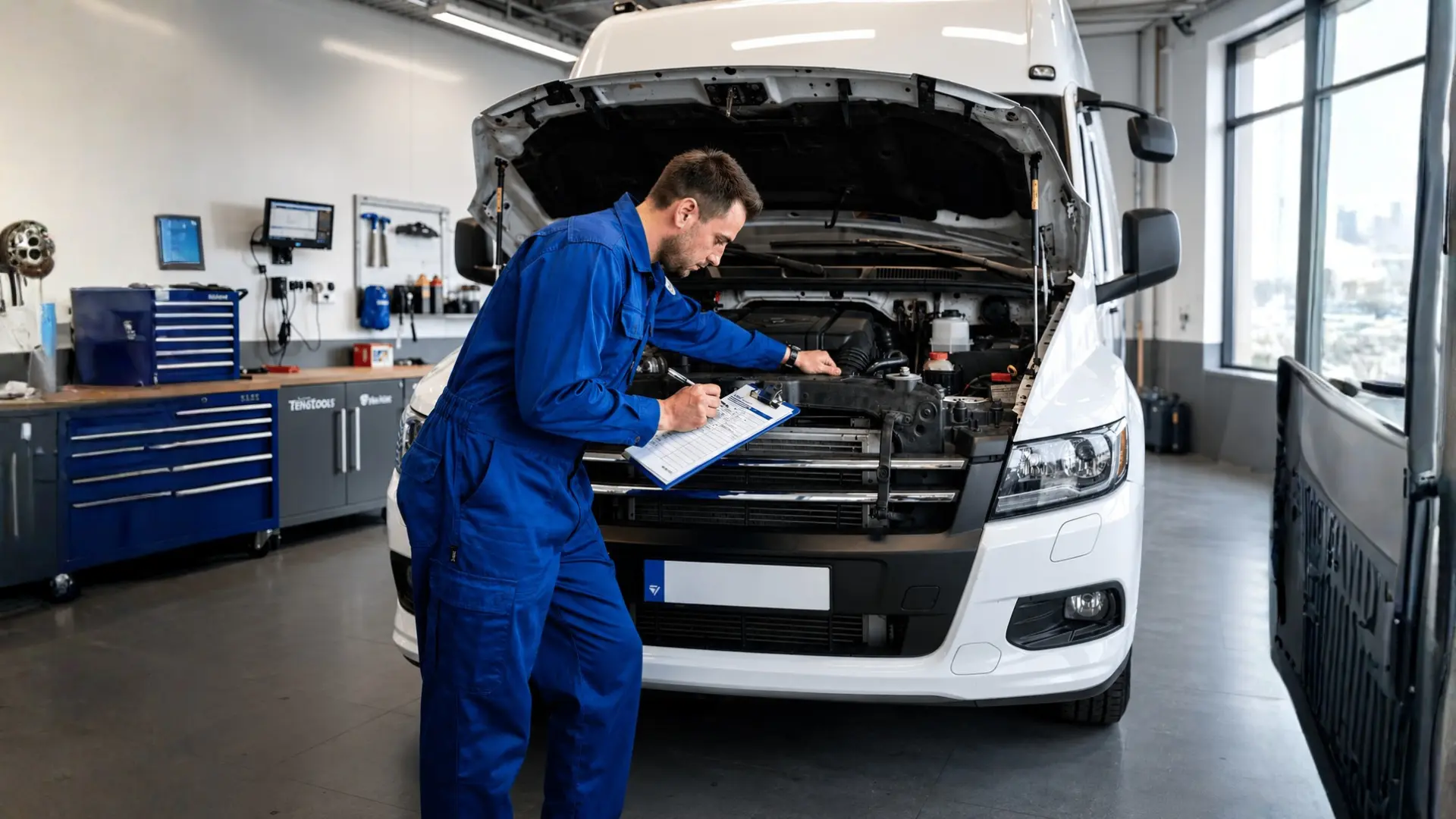
The cheapest truck to buy is not always the cheapest truck to run. Before making a decision, compare fuel use, tyres, maintenance, service intervals, insurance, tracking and possible downtime.
Delivery businesses should also look at cost per stop. If your truck can complete more stops in a day because it is easier to park, load or unload, it may improve profitability even if the monthly repayment is slightly higher.
- Fuel usage
- Tyre costs
- Maintenance costs
- Service intervals
- Insurance
- Tracking
- Possible downtime
- Cost per delivery stop
When a Smaller Delivery Vehicle Makes Sense
A smaller delivery vehicle can work well for courier businesses, food deliveries, small parcels and short-distance routes. It may be easier to park, cheaper to run and better suited to high-volume stop-start deliveries.
This option can be useful for businesses that deliver in busy areas, suburbs, estates, CBDs or routes with many small drop-offs.
However, smaller vehicles have clear payload limits. If your business often carries heavy or bulky goods, a small vehicle can become inefficient or unsafe.
When a Medium Delivery Truck Makes Sense
A medium delivery truck is often a practical choice for growing businesses. It can carry more than a small vehicle while still being manageable for local routes.
This type of truck can suit retail deliveries, wholesalers, light industrial suppliers, furniture companies, catering suppliers and general business deliveries.
A medium truck with the correct body type can help reduce the number of trips, improve loading speed and give the business more flexibility.
When a Larger Local Delivery Truck Makes Sense
A larger local delivery truck may be needed when you move bulky goods, pallets, furniture, construction materials or heavier loads.
These trucks can carry more per trip, but they need careful planning. You must consider parking, route access, licence requirements, fuel costs, loading equipment and delivery points.
For businesses with regular larger loads, a bigger truck may improve productivity. For businesses with mostly small deliveries, it may add unnecessary costs.
Simple Route Planning Tips
The truck you choose is only part of the delivery system. Good route planning can reduce fuel use, save time and improve customer service.
Group deliveries by area instead of sending the truck across town repeatedly. Pack goods in delivery order so drivers do not waste time searching at each stop. Track how long each delivery takes and look for the routes or stops that cause delays.
For more guidance on choosing the right used truck for your operation, visit Truckways.
- Group stops by area
- Avoid unnecessary cross-town routes
- Pack goods in delivery order
- Track delays at each stop
- Plan recurring delivery windows
- Review route performance regularly
How Truckways Can Help You Choose the Right Local Delivery Truck
Truckways helps South African businesses choose used trucks that match their practical delivery needs. Instead of focusing only on price, Truckways can help you consider payload, body type, road conditions, route size, loading requirements and long-term value.
Whether you need a vehicle for parcels, pallets, furniture, refrigerated products or general business deliveries, the right advice can help you avoid buying a truck that is too small, too costly or unsuitable for your daily routes.
Choosing the best truck for local deliveries in South Africa starts with understanding your business. Truckways can help you look at your delivery requirements and find a used truck that works for your operation.
Need help choosing a local delivery truck?
Speak to Truckways for practical guidance on used trucks that match your payload, route and business needs.
Conclusion
The best truck for local deliveries in South Africa is the one that suits your payload, route, body type, driver licence requirements and operating costs.
For light parcels, a smaller enclosed vehicle may work well. For mixed commercial deliveries, a 3 to 4 ton enclosed truck can offer a strong balance. For furniture, pallets and bulky goods, a curtain-side or dropside truck may be more practical. For perishable goods, refrigeration is essential.
If you want to choose the right truck for your business, Truckways can help you compare your options and make a practical, cost-conscious decision.
Frequently Asked Questions
What is the best truck for local deliveries?
The best truck depends on payload, route and body type.
What size truck is best for business deliveries?
Many businesses use 3 to 4 ton trucks for mixed loads.
Can Truckways help me choose a delivery truck?
Yes, Truckways can help match a truck to your route.